
Pet Food: Market trends and directions
Adelchi Rainone
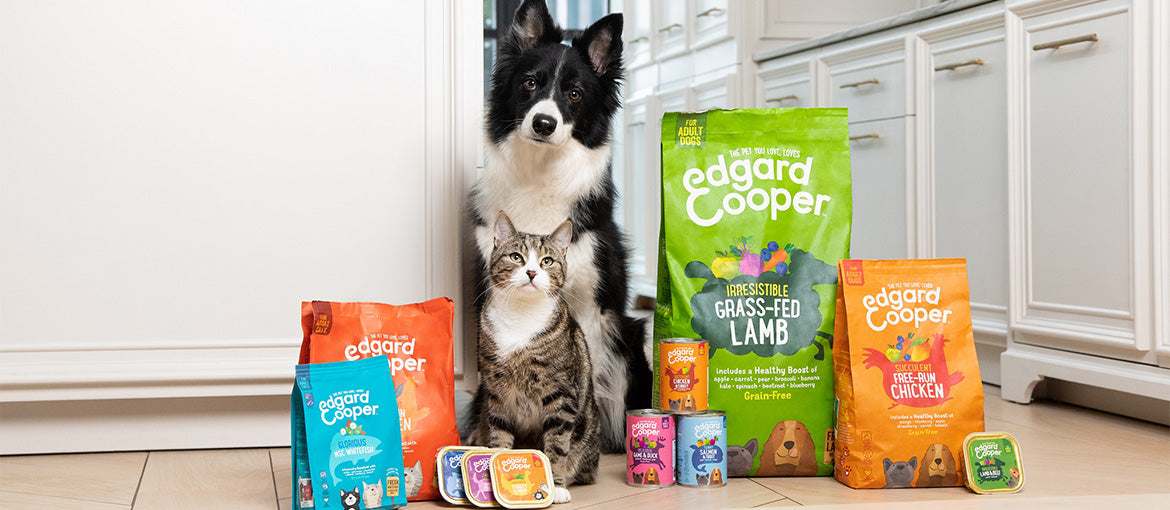
The move towards purchasing pet food with human grade ingredients is a growing trend in the pet food market. Pet owners are increasingly attentive to the quality of ingredients and are looking for products that reflect their own nutrition and lifestyle choices. Foods with human grade ingredients offer quality, safety and superior nutrition, giving owners the confidence to provide their pets with a high-quality, healthy diet.

Is it possible to change your cat's diet?
Adelchi Rainone
The text offers useful advice for changing your cat's diet. Changing your cat's food can be difficult, but there are some ways to make the transition easier. For example, you can try placing the new food next to the old one to get him used to the smell. Afterwards, you can gradually mix small amounts of the new food with the old one. To make the new food even more palatable, you can add small incentives such as a little fish oil or parmesan. Additionally, it is important to ensure that your cat eats in a quiet place where there are no distractions or sources of stress. If your cat continues to refuse the new food, it is always best to consult your vet to rule out any health problems.

Allergies and intolerances in dogs and cats
Adelchi Rainone
For environmental allergies, skin tests can be used to determine the triggering substance. Your vet may also recommend treatment with antihistamines or immunotherapy. For food intolerances, treatment usually involves eliminating the individual ingredients causing the reaction. A hypoallergenic food or hydrolyzed protein diet may also be recommended.

Is your dog lacking in appetite?
Adelchi Rainone
Constantly hungry dogs vs dogs with no appetite: how to feed your dog correctly When it comes to feeding your dog, there are two types of dogs: those who are constantly hungry and will feast on every crumb, and those who have no appetite. The first type of dog, although opportunistic, is still built as a predator and, in nature, binges follow periods of forced fasting. This means that, even if fed the right amount of food, your dog will never be full. Conversely, dogs with a poor appetite may have health or behavioral problems. If your dog isn't eating, your vet must first rule out physical conditions. If the dog is in good health, the solution is behavioral therapy which consists of the "hard line": either eat the assigned food or not eat at all. But how can you make a dog lose its appetite? A sedentary lifestyle, excessive rewards and an excessive variety of foods can cause loss of appetite. Dogs are also creatures of habit, and their digestive systems are adapted to assimilate certain types of food. Therefore, variety is not always a good thing and can even harm their health. The solution is to choose a diet appropriate for their age, size and breed. It would be advisable to choose a diet free of poor cereals such as corn, but enriched with vegetables. For example, large kibble is suitable for all dogs at risk of stomach dilation/torsion. By establishing an appropriate diet and following the hard line, your dog will learn to eat only the assigned food and live a healthy and happy life.